
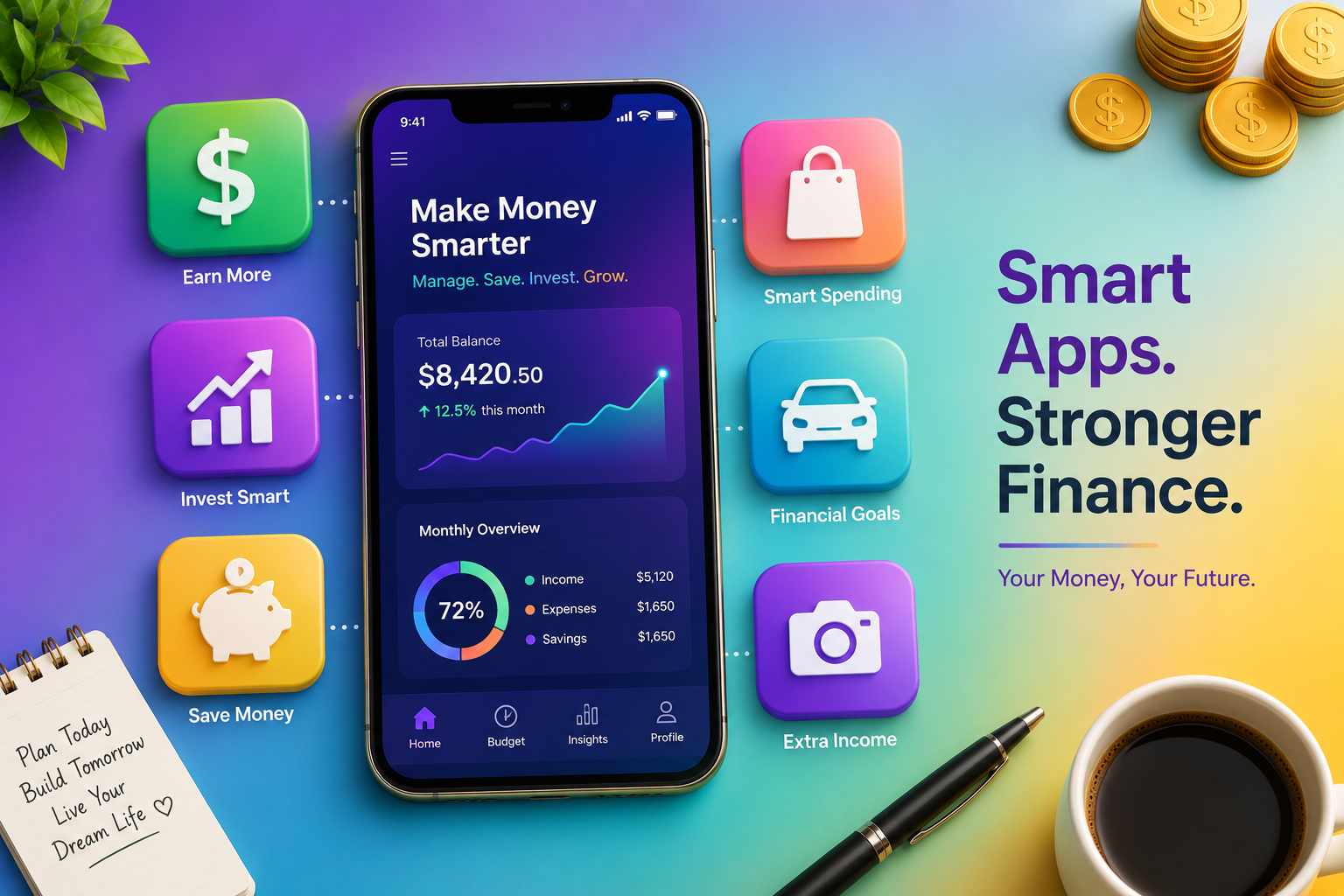
There’s a certain kind of skepticism that kicks in whenever someone mentions “money-making apps.” And honestly, that skepticism is earned. The internet is full of exaggerated screenshots, apps that pay pennies for hours of effort, and platforms that quietly disappear the moment you’re about to cash out. So let’s set expectations properly right from the start: none of the apps and platforms on this list will make you rich overnight, and anyone promising that is selling you something.
What they can do, when used realistically, is help you turn spare time, existing skills, or unused items into genuine extra income. Some are better suited to quick cash for small tasks, while others can grow into a meaningful side income or even a full replacement for traditional work. This list breaks down fifteen legitimate options worth considering in 2026, organized by what kind of effort and skill they require, so you can find the ones that actually fit your situation.
What Makes A Money-Making App Actually Worth Your Time
Before diving into the list, it’s worth understanding what separates a genuinely useful platform from a waste of your evening. Look for these qualities:
- Transparent payout structure. You should know exactly how much you’ll earn and when, without vague promises or shifting terms.
- Reasonable time-to-money ratio. An app that pays a dollar for thirty minutes of work isn’t worth your time, no matter how it’s marketed.
- Real reviews and a track record. Established platforms with a genuine user base and consistent payout history are far safer bets than brand-new apps promising huge returns.
- No upfront fees to “unlock” earnings. Legitimate platforms don’t ask you to pay before you can access money you’ve already earned.
With that filter in mind, here are fifteen platforms worth exploring in 2026, grouped by category so you can find what fits your goals.
Freelancing And Skill-Based Platforms
If you have a marketable skill, freelancing platforms tend to offer the highest earning ceiling on this list. They require more effort upfront but can turn into serious income over time.
1. Upwork
Upwork remains one of the largest freelance marketplaces, connecting businesses with freelancers across writing, design, programming, marketing, virtual assistance, and dozens of other categories. Success on Upwork usually comes down to a strong profile, a focused niche, and consistent client communication. New freelancers often start with smaller projects to build reviews before moving into higher-paying, longer-term contracts.
2. Fiverr
Fiverr flips the freelance model slightly by letting freelancers list specific services, called “gigs,” at set price points that clients can browse and purchase directly. It works particularly well for creative and digital services like graphic design, voiceover work, video editing, and social media content creation. Many sellers start with a few basic gig offerings and expand once they understand what buyers in their niche are actually searching for.
3. Toptal
For highly experienced professionals in fields like software development, finance, and design, Toptal offers access to premium clients willing to pay significantly higher rates than typical freelance marketplaces. The trade-off is a rigorous screening process, but for those who qualify, it can mean substantially higher earnings per project.
Selling And Reselling Platforms
If you’d rather sell products than your time, these platforms turn unused items, handmade goods, or sourced inventory into income.
4. Etsy
Etsy remains a go-to platform for selling handmade goods, vintage items, and digital downloads like printables or templates. It works especially well for creative entrepreneurs who want to build a recognizable shop and brand rather than just listing individual items. Digital products in particular offer strong margins since there’s no physical inventory or shipping involved.
5. Poshmark
Poshmark has built a loyal community around buying and selling secondhand clothing, shoes, and accessories. Sellers photograph and list items directly from their closet, and the platform’s social features, like sharing and following other sellers, help boost visibility without needing outside marketing.
6. eBay
Still one of the most versatile marketplaces around, eBay works for everything from decluttering your home to running a full resale or dropshipping-adjacent business. Its auction and fixed-price listing options give sellers flexibility depending on whether they want to maximize value or move inventory quickly.
7. Facebook Marketplace
For local selling without shipping hassles, Facebook Marketplace remains one of the simplest options. It’s particularly useful for furniture, electronics, and bulkier items that are impractical to ship, and the lack of listing fees makes it an easy starting point for casual sellers.
Gig Economy And On-Demand Work Apps
These platforms convert available time into fairly immediate income, making them popular for people who want flexible, short-term earning opportunities.
8. Uber and Lyft (Rideshare Driving)
Rideshare driving remains a straightforward way to earn money using a vehicle you already own, with flexible hours that fit around other commitments. Earnings vary by location, time of day, and demand, and it’s worth factoring in vehicle wear, gas, and insurance costs when calculating real profitability.
9. DoorDash and Uber Eats (Food Delivery)
Food delivery apps offer similarly flexible, on-demand earning opportunities, often with lower entry barriers since some markets allow delivery by bike or on foot in addition to cars. Peak hours around mealtimes and bad weather often bring higher demand and better pay incentives.
10. TaskRabbit
TaskRabbit connects people with local taskers for jobs like furniture assembly, moving help, minor home repairs, and general errands. It tends to pay better per hour than many gig apps, especially for taskers with specific skills like handyman work, though availability depends heavily on local demand.
Content Creation And Social Platforms
Content platforms take longer to become profitable but offer some of the highest long-term earning potential on this list, particularly as audiences grow.
11. YouTube
Beyond traditional content creation, YouTube’s Partner Program allows creators to earn from ad revenue once they meet subscriber and watch-time thresholds, and many also layer in sponsorships, affiliate marketing, and digital products. Both traditional and automation-style channels remain viable paths, though building a genuine audience takes sustained effort.
12. TikTok
TikTok’s Creator Rewards Program, along with its live gifting features and increasingly powerful TikTok Shop integration, has turned the platform into a legitimate income source for creators who can consistently produce engaging short-form content. It’s also become one of the most effective free marketing channels for anyone selling products through other platforms on this list.
13. Substack
For writers, Substack offers a straightforward way to monetize through paid newsletter subscriptions, without needing to build a separate website or payment system. It works particularly well for writers with a specific niche or point of view who can build a loyal, engaged reader base willing to pay for premium content.
Investing And Passive Growth Apps
These platforms don’t generate active income the way gig work does, but they help put existing money to work, which is its own form of earning.
14. Acorns
Acorns popularized the idea of automatically investing spare change from everyday purchases by rounding up transactions and investing the difference. It’s less about generating large returns quickly and more about building a consistent, low-effort investing habit for people who might otherwise never start.
15. Robinhood
Robinhood remains a widely used platform for commission-free stock, ETF, and cryptocurrency trading, with a simple interface that appeals to beginner investors. While it’s not a “money-making app” in the gig-work sense, it lowers the barrier to entry for building an investment portfolio, which remains one of the most reliable long-term ways to grow money over time.
How To Choose The Right Apps For Your Situation
With fifteen options on the table, it helps to narrow things down based on your actual goals and available time.
If you need money quickly, gig economy apps like Uber, DoorDash, or TaskRabbit tend to offer the fastest path from effort to payout, often within days.
If you want to build a longer-term income stream, freelancing platforms like Upwork and Fiverr, or content platforms like YouTube and Substack, require more patience upfront but offer significantly higher earning ceilings over time.
If you have items or skills to sell, marketplaces like Etsy, Poshmark, eBay, and Facebook Marketplace let you convert unused belongings or creative work directly into cash with relatively low effort to get started.
If you’re focused on long-term financial growth rather than active income, investing apps like Acorns and Robinhood help put your money to work, complementing whatever active income strategy you choose.
Many successful side-hustlers in 2026 actually combine several of these categories. It’s common to see someone selling handmade goods on Etsy, promoting them on TikTok, and investing a portion of the profits through Robinhood or Acorns, creating a small but genuinely diversified income ecosystem.
Realistic Expectations: What These Apps Can And Can’t Do
It’s worth being honest about limitations here. Gig economy apps generally won’t replace a full-time income unless you’re putting in substantial hours, and factoring in expenses like gas, vehicle wear, or self-employment taxes often means real earnings are lower than headline numbers suggest.
Freelancing and content platforms can eventually become full-time income, but almost always require months of consistent effort before reaching that point. Selling platforms depend heavily on what you’re selling and how well you can source, price, and market your items or products.
Investing apps aren’t a way to make quick money at all. They’re a long-term wealth-building tool, and treating them otherwise, chasing quick trades or high-risk assets, often leads to losses rather than gains.
The common thread across every genuinely successful user of these platforms isn’t luck. It’s consistency, realistic expectations, and treating whichever platform you choose as an actual endeavor worth doing well, rather than a lottery ticket.
Tips For Maximizing Your Earnings Across These Platforms
Start with one or two platforms rather than spreading yourself thin. Trying to juggle five apps at once usually means doing all of them poorly. Master one, understand what drives results, then expand if it makes sense.
Track your actual time investment against earnings. It’s easy to overestimate profitability without accounting for the time spent. Periodically calculate your real hourly rate to make sure a platform is genuinely worth continuing.
Reinvest early earnings into growth. Whether that means better photography equipment for an Etsy shop, a small ad budget to promote a Fiverr gig, or simply more time devoted to building a YouTube channel, reinvesting strategically accelerates long-term results.
Read the fine print on payout structures and fees. Every platform takes some cut, whether through fees, commissions, or payment processing costs. Understanding these upfront prevents unpleasant surprises when it’s time to withdraw earnings.
Stay consistent through the slow early period. Nearly every platform on this list has a ramp-up period where results feel disproportionately small compared to effort. The people who see real success are usually the ones who pushed through that phase rather than quitting early.
Red Flags To Watch For
Not every app claiming to help you “make money fast” is legitimate. Watch for these warning signs:
- Requests for upfront payment before you can start earning or withdraw funds
- Vague or constantly changing payout terms
- Pressure to recruit others as the primary way to earn, a common sign of pyramid-style schemes rather than a genuine platform
- Unrealistic earnings claims with no clear explanation of how the money is actually generated
- Poor or nonexistent reviews outside the app’s own marketing materials
If a platform can’t clearly explain how it generates revenue to pay you, that’s a strong signal to steer clear.
Final Thoughts
The fifteen apps and platforms covered here represent genuinely different paths to extra income, from quick, flexible gig work to long-term freelancing careers, creative selling ventures, content creation, and straightforward investing. None of them offer instant riches, and anyone suggesting otherwise isn’t being honest with you.
What they do offer is real, accessible opportunity, provided you approach them with realistic expectations, a willingness to put in consistent effort, and enough patience to get past the inevitable slow start. Pick the one or two platforms that best match your available time, existing skills, and financial goals, and give yourself a genuine chance to see what they can actually do before judging the results.
Frequently Asked Questions
Which money-making app pays the most? It depends heavily on the individual and effort involved. Freelancing platforms like Upwork and Toptal often offer the highest earning ceiling for skilled professionals, while content platforms like YouTube can eventually surpass all of them once an audience is established.
Are money-making apps safe to use? Established, well-reviewed platforms like the ones listed here are generally safe, though it’s always wise to research payout terms, read recent reviews, and avoid any app requesting upfront payments before you can earn or withdraw money.
Can I really make a full-time income from these apps? Yes, though it typically takes sustained effort over months, not days. Freelancing, content creation, and selling platforms have genuine full-time income potential, while gig economy apps are usually better suited to supplemental or flexible income.
Do I need special skills to start earning? Some platforms, like Toptal or Upwork for specialized freelancing, benefit from existing skills, while others, like gig delivery apps or marketplace selling, have a much lower barrier to entry and require minimal prior experience.
How do I know which app is right for me? Consider your available time, existing skills or items to sell, and whether you’re looking for quick cash or long-term income growth. Starting with one platform that matches your strengths, rather than trying several at once, tends to produce the best results.
При необходимости подобрать услуги телохранителя на время поездок и мероприятий. Профессиональная охрана могут обеспечить сопровождение мероприятия. Перед заключением договора стоит уточнить условия предоставления услуг. Нужна охрана? Закажите консультацию и обсудите подходящий формат охраны.